Stay connected. Subscribe today.

Showing posts with label nutrients. Show all posts

Wednesday, October 1, 2014

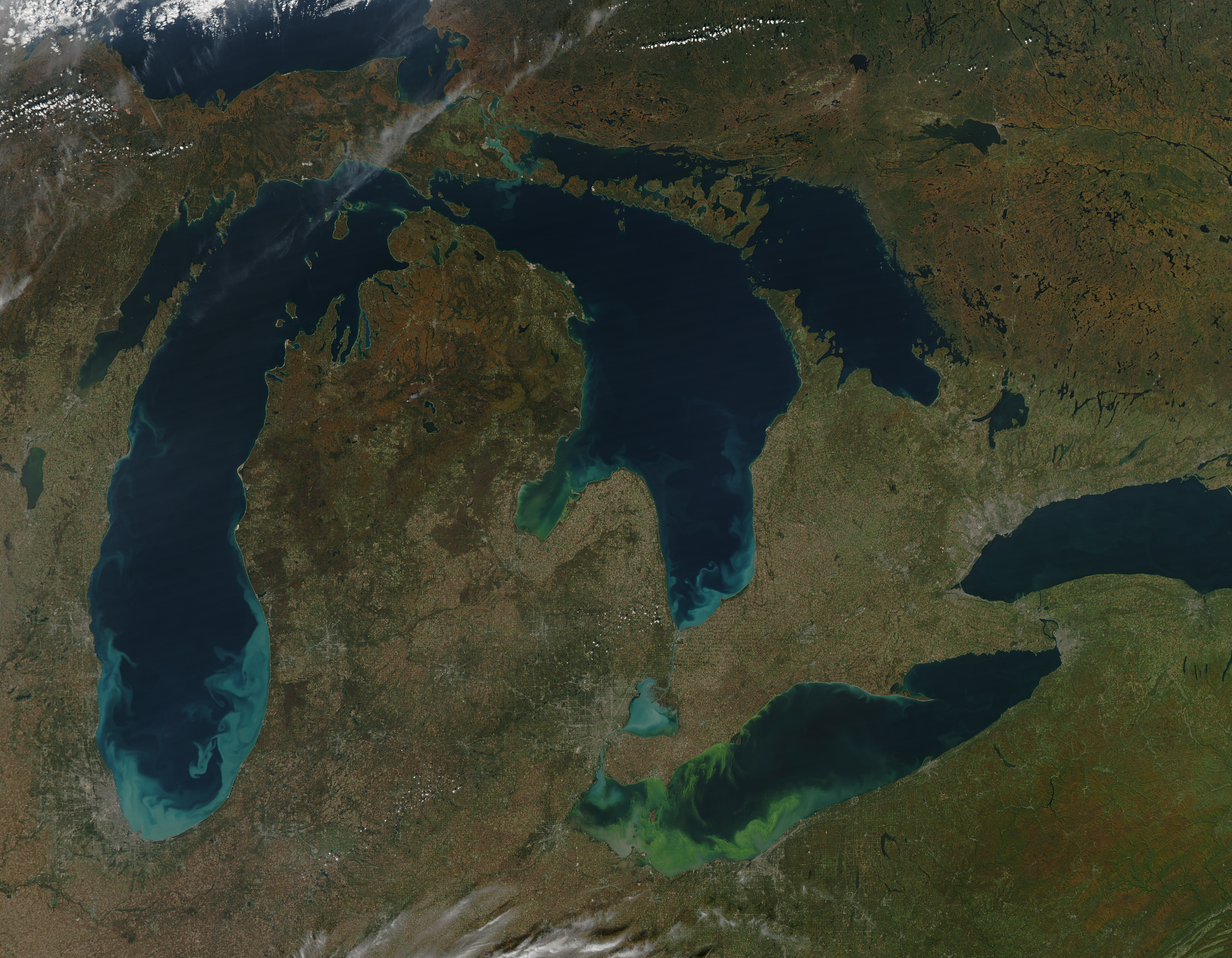
ENVIRONMENT: The facts about phosphorus, and why Lake Erie receives more nutrients than any other Great Lake

Fact: Lake Erie contains 2% of the Great Lakes' water—and 50% of their fish.

Great Lakes facts and figures underscore the reality that these water bodies are precious but fragile resources. Affected by many factors, the Sewer District and agencies like it constantly monitor Lake Erie and the streams replenishing it to ensure its health.

RELATED: This story is a Web Extra featured in our Clean Water Works technical journal (Fall 2014)

Nutrients are one contributor to Lake Erie's well-being, with one particular nutrient—phosphorus—making news this season as toxic algae has threatened some parts of its western basin. Here are some phosphorus-specific facts and figures to help tell the story of nutrients and what affects their impact on our Great Lake.

Friday, May 23, 2014

NEWS: Could Ohio legislation help heal Lake Erie? A good step, but long journey ahead. #sb150

Hazardous algal bloom on Lake Erie, 2011. cleveland.com file photo.

If a journey of a thousand miles begins with one step, think of Ohio Senate Bill 150 as a first step.

A cleveland.com story May 19 reported Ohio Governor John Kasich is preparing to sign a bill that could help control fertilizer phosphorus contributions to Lake Erie's toxic-algae problems. That's important, but what's more important is where (and how far) we go from here.

About algae, phosphorus, and SB 150


First, let's understand the problem.

The toxic green algae that has plagued Lake Erie in recent years may be a result of excessive amounts of phosphorus and nitrogen in the water. It negatively impacts fish and other aquatic life. There are many sources of phosphorus and nitrogen, including human waste, industrial processes, and commercial fertilizers used mainly in the agricultural industry.

SB 150, which has recently passed the State House and Senate unanimously, would require farmers who use commercial fertilizers to be certified by the state and encourage them to develop "nutrient management plans" to demonstrate they are working to control their land's runoff.